
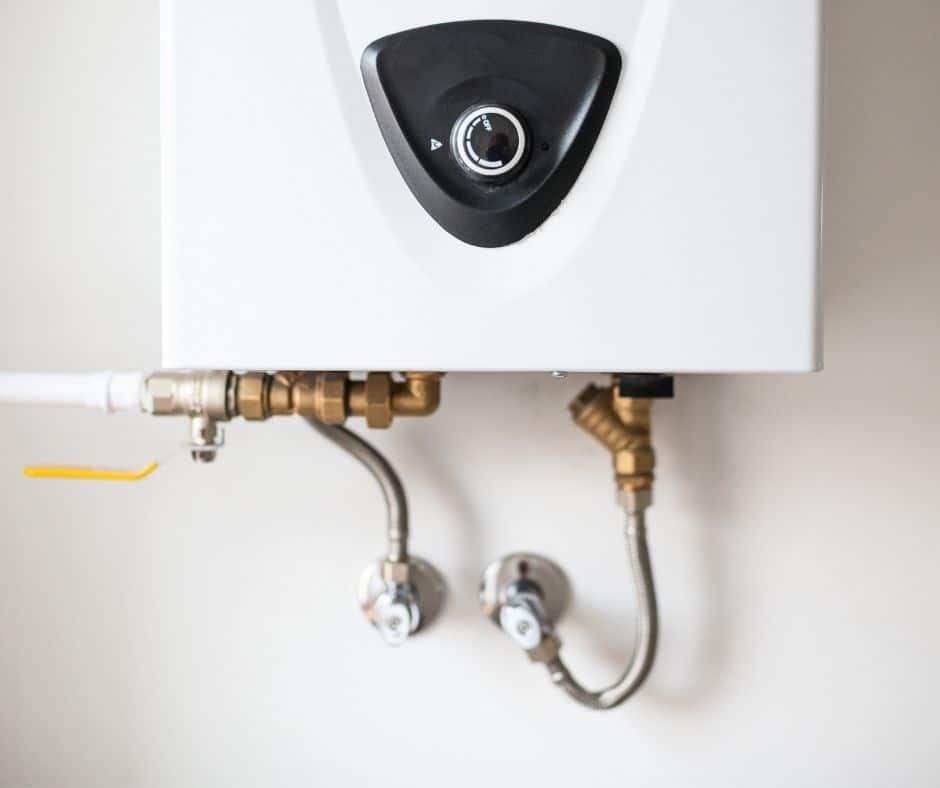
The Real Lifespan of a Water Heater — And What Affects It
If you have ever run out of hot water halfway through a shower on a cold Parkersburg morning, you have probably wondered how much life your unit has left. How long does a water heater last? For most homes across West Virginia and the Mid-Ohio Valley, the honest answer is 8 to 12 years — but the real number depends on the type of unit you own, your water quality, and how well it has been maintained over the years.
At Grogg's Home Services, we have been keeping hot water flowing in the Mid-Ohio Valley since 1970. We have seen units quietly fail at year six and others soldier on past year fifteen. Below, we will walk you through what to expect realistically. We will cover the local factors that shorten a unit's life and the warning signs that mean it is time to plan.
Understanding Your Water Heater's Lifespan in West Virginia
The Short Answer: 8 to 12 Years for Most Homes
A traditional tank water heater typically lasts 8 to 12 years. So when a homeowner asks us how long a water heater lasts, that decade-ish window is the number we start with. Gas models tend to land toward the shorter end of that range, while electric units often stretch a year or two longer because they have fewer components exposed to combustion wear. If your unit is creeping toward its tenth birthday, it is not necessarily failing — but it is smart to start watching it closely and budgeting for a future replacement rather than being caught off guard by a cold, leaking tank.
Tankless Units Last Much Longer
If you have made the switch to a tankless water heater, the math changes considerably. A well-maintained tankless unit can last 20 years or more — nearly double the lifespan of a traditional tank. Because they heat water on demand rather than storing it in a tank that constantly cycles. Tankless systems face far less wear over time. That longer life, combined with lower energy bills, is a big part of why so many local homeowners ask us about upgrading. The tradeoff is a higher upfront cost, which is where our flexible financing options often help families leap comfortably.
Why West Virginia Water Quality Matters
Here is the local factor most homeowners overlook: hard water. Much of West Virginia and the Mid-Ohio Valley has mineral-rich water, and those minerals settle to the bottom of your tank as sediment. Over the years, that sediment layer forces your unit to work harder, run hotter, and wear out faster — which is exactly why how long a water heater lasts in one home can differ so much from the next. If your home has noticeably hard water, pairing your unit with a water softener is one of the most effective ways to protect it and squeeze extra years out of your investment.
How Maintenance Changes the Equation
The single biggest thing you control is maintenance. A unit that is flushed annually to clear out sediment, with its anode rod checked periodically, can easily outlast a neglected one by years. Our team handles this kind of routine care as part of professional plumbing service, and members of our Comfort Club maintenance plan get regular check-ins built right in — so small problems get caught long before they leave you with a cold shower and a flooded utility room.
Warning Signs Your Water Heater Is Near the End
Age is only part of the story. Even if your unit is younger than a decade, a few red flags mean the clock is ticking faster than you think. Rusty or discolored hot water, rumbling or popping noises from the tank, water pooling around the base, and hot water that runs out faster than it used to are all signals worth taking seriously. We covered these in depth in our guide on the signs it is time to replace your water heater — if you are noticing any of them, it is worth a professional look before a slow decline becomes a sudden failure.
When It Is Time to Repair vs. Replace
Not every hiccup means you need a whole new unit. A faulty thermostat or a worn heating element is often a straightforward fix. But once a tank starts leaking from the body itself, replacement is almost always the safer, more cost-effective path. Our technicians will always give you a straight answer about whether a water heater repair or replacement makes more sense for your situation and budget — no pressure, no upselling. When you are ready, you can contact our team or simply call 304-863-3553 to schedule a visit.
Serving Homeowners Across the Mid-Ohio Valley
Whether you are in Parkersburg, Clarksburg, Vienna, Williamstown, or across the river in Marietta, OH, Grogg's is your local, family-trusted team for everything hot water. We know the water conditions here because we live here too — and we would rather help you plan a smart, unhurried replacement than rescue you from a cold-water emergency. To keep costs friendly, be sure to check our current specials and coupons before you book.
Wondering how much life your unit has left? Call Grogg's today at 304-863-3553 for an honest assessment from a team that has served the Mid-Ohio Valley since 1970.
Water Heater FAQs
Most traditional tank water heaters last 8 to 12 years. Gas units tend toward the shorter end of that range and electric units often last slightly longer. A tankless water heater can last 20 years or more with proper maintenance.
Electric water heaters often last a year or two longer than gas models — commonly 10 to 12 years — because they have fewer combustion-related components that wear down over time. Regular maintenance matters more than fuel type in determining the true lifespan.
Yes. West Virginia's mineral-rich water leaves sediment in the tank, forcing the unit to work harder and wear out faster. Annual flushing and a whole-home water softener both help extend the life of your unit significantly.
Flush the tank annually to remove sediment, have the anode rod inspected periodically, keep the temperature around 120°F, and address small issues quickly. Enrolling in a maintenance plan ensures these tasks happen on schedule.
Common signs include rusty or discolored hot water, rumbling or popping noises, water pooling around the base of the tank, and hot water running out faster than it used to. If your unit is also over 10 years old, it is wise to plan for replacement.
For many homeowners, yes. Tankless units last nearly twice as long as tank models, take up less space, and lower monthly energy bills by heating water only on demand. The higher upfront cost is often offset by longer life and energy savings, and financing can make the switch more affordable.